
Download the story’s images here:
In the 19th Century the port of Liverpool was one of the most important in the whole world: goods from every country were coming through the Liverpool dock system making it an extremely prosperous town.
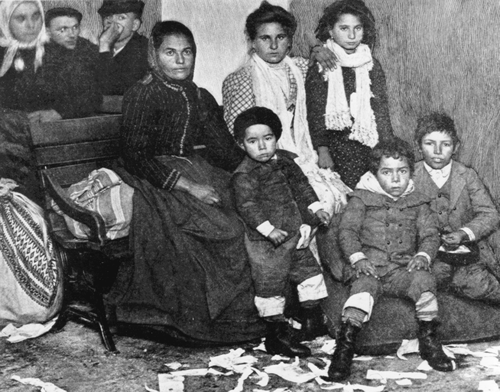
Meanwhile in Sicily, Southern Italy, agriculture was still very antiquated, people had no food and lived in extreme poverty. For many of them there was no alternative but to leave Italy. For most Italians it would have been the first time outside their country, and for some the first time outside their village. They said their farewells, not knowing whether they would ever return, and travelled to a strange country where they spoke another language and led a life that was very different to their own. Many of the migrants didn’t go too far and eventually decided to return home. But some of them reached Liverpool…Among those Italians who migrated to Liverpool was the family of Rosa…

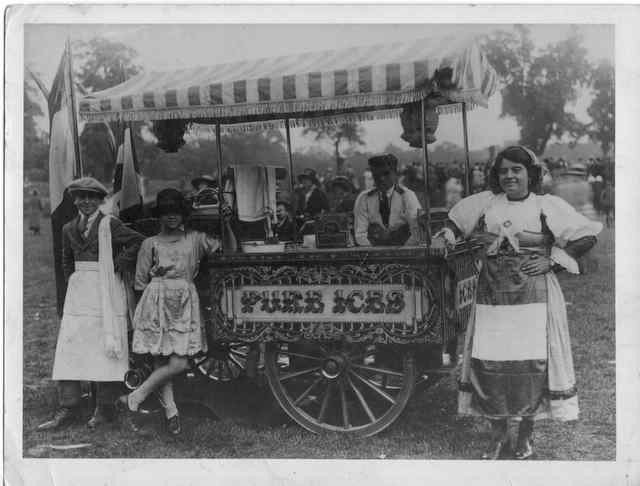
Mi chiamo Rosa. I miei genitori lasciarono giovanissimi il loro paese, vicino Catania, si imbarcarono dal porto di Napoli e, dopo giorni e giorni passati in mare, arrivarono a Liverpool. Vivevamo su Christian Street, a Little Italy: in quegli anni la zona era tutta una fioritura di botteghe artigiane, gelaterie, patatinerie gestite dagli immigrati italiani, di cui ovunque risuonavano le risate allegre e gli accenti diversi. Anche i miei genitori, con grande sacrificio e tante speranze, aprirono un negozio di fish and chips.
“Mamma, ti piace di più l’Italia o Liverpool?”
“Rosellina, l’Italia è bella, ma qui abbiamo così tanto da fare che non c’è tempo neppure per la malinconia: c’è il negozio da far funzionare, i nostri clienti che ci aspettano!… E poi guardati intorno – c’è un pezzo di Italia anche qui, però un po’ più ottimista e fiduciosa. Dai, forza, sbrigati, ché tra un’ora si apre!”
Rosa’s family owned a chip shop in Little Italy: despite never having fish and chips before, her mother soon learnt how to cook the traditional local dishes at perfection, as she wanted to serve their English customers the food they loved the most. This was her own way to show the local community gratitude for how they had welcomed them and gave them a new opportunity in life.

Oggi della mia infanzia ricordo quasi soltanto l’odore di fritto, il petto generoso di mia mamma affacciato sul bancone e il fruscio della carta di giornale avvolta intorno alla cena saporita e unticcia.
“Mamma, perché vendiamo fish & chips, pesce e patate? Non potevamo aprire un negozio di dolci e vendere dei buoni biscotti siciliani??”.
“Perché il pesce e le patate sono a buon mercato, i biscotti, invece, per i momenti speciali. Noi vogliamo che tutti, anche senza troppi soldi, possano entrare nel nostro negozio e trovare qualcosa di buono da mangiare! Viviamo in Inghilterra e sai che agli inglesi piace tanto il fish and chips: la mamma cerca solo di farlo buonissimo per loro, il più buono di tutti!”
Anni più tardi, in quella sua risposta semplice e serena ho trovato una grande lezione: che per vivere felici in un Paese straniero bisogna avere voglia di ascoltare, capire, accettare ciò che è diverso da noi, lasciando che ci completi e migliori.
Quando prima mio padre poi mia madre morirono, io e i miei fratelli continuammo a lavorare nel negozio di famiglia, io e Johnny in cucina, Salvatore al banco.
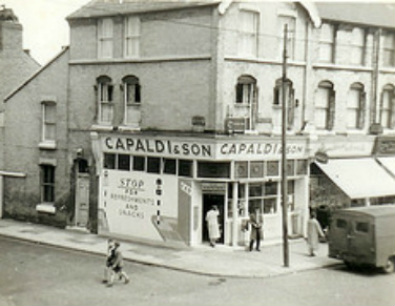
The chip shop owned by Rosa’s family soon became legendary. Even the famous actors from the Empire theatre could not resist the aroma coming from the shop and would ask staff to go and get them a portion of that delicious treat during the intervals. But soon Second World War broke out…. Outside London, Liverpool happened to be the most bombed area in Britain – the city was attacked because of its huge port, which brought much needed food, fuel and weapons into the country. Without the Liverpool port working, Britain may not have won the war and therefore Hitler was out to destroy the city. In 1941 the area surrounding Little Italy was devastated by bombing. However, with great determination and with the help of her husband and little daughter, Rosa kept the chip shop open to serve and help the community…
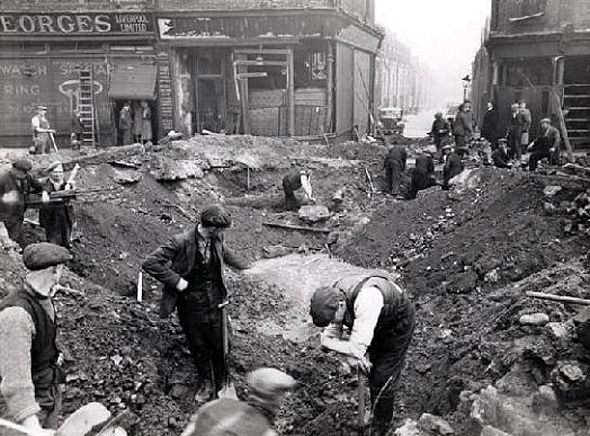
Nel buio della stanza, che dovevamo tenere con le tende ben chiuse, mia figlia Anna si stringeva a me terrorizzata.
“Ho paura, mamma!! E se una bomba cade sulla nostra casa?? Al diavolo il negozio di fish & chips! Voglio scappare, andiamo via da qui!”
“E come farebbe la gente a fuggire lontano o trovare la forza per resistere nei rifugi, se la lasciassimo a stomaco vuoto? Prima si mangia, poi si affrontano le paure.”
“Mamma, qui non c’è più niente, solo calcinacci e gente terrorizzata. Come facciamo a restare in questo posto?”

“Pazienza e fiducia… ci vogliono pazienza e fiducia, tesoro mio. E ci vorrà anche del tempo. Ma a stomaco vuoto la pazienza e la fiducia si perdono subito e il tempo scorre troppo lento! Dobbiamo nutrire le persone: noi le aiuteremo così…la gente deve mangiare!”
Durante la guerra il nostro negozio rimase ostinatamente aperto, offrendo non solo un pasto caldo, ma anche una luce accesa attraverso la vetrina, un odore famigliare lungo la via, un brandello di normalità in mezzo alla devastazione. Italiani, inglesi, tedeschi, irlandesi si ritrovavano a fare la fila per un cartoccio caldo di pesce e patate, commentavano gli ultimi bollettini, si scambiavano pacche incoraggianti sulla spalla, si promettevano l’un l’altro che la guerra sarebbe finita e il quartiere avrebbe ripreso vita. “It’ll be fine, mate!… Dovrà finire ‘sta guerra!”, si dicevano con un sorriso amico.
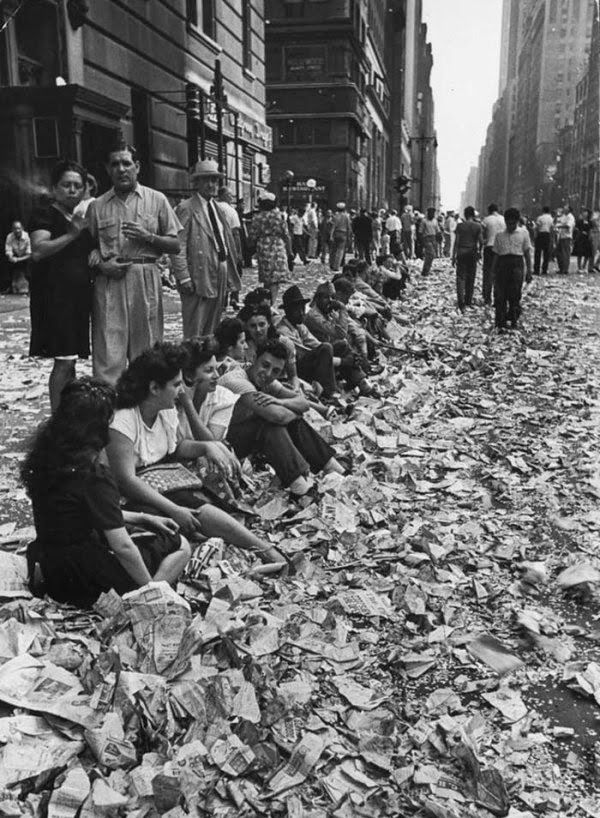
Rosa’s chip shop survived the destruction during war-time, however, only a few years later, along with other shops of the area, it was forced to close due to the construction of the Mersey Tunnel…
Oggi il negozio di Rosa non esiste più ma la sua storia di accoglienza, integrazione e aiuto si ripete ogni giorno in quella di Gioia, di Stefania, di Francesca, di Ian, in quella di tutti NOI e di tutti gli immigrati lì fuori!
 MammaMia - School of Italian